
How to Blend Scents Like a Pro: The Art of Fragrance Mixing
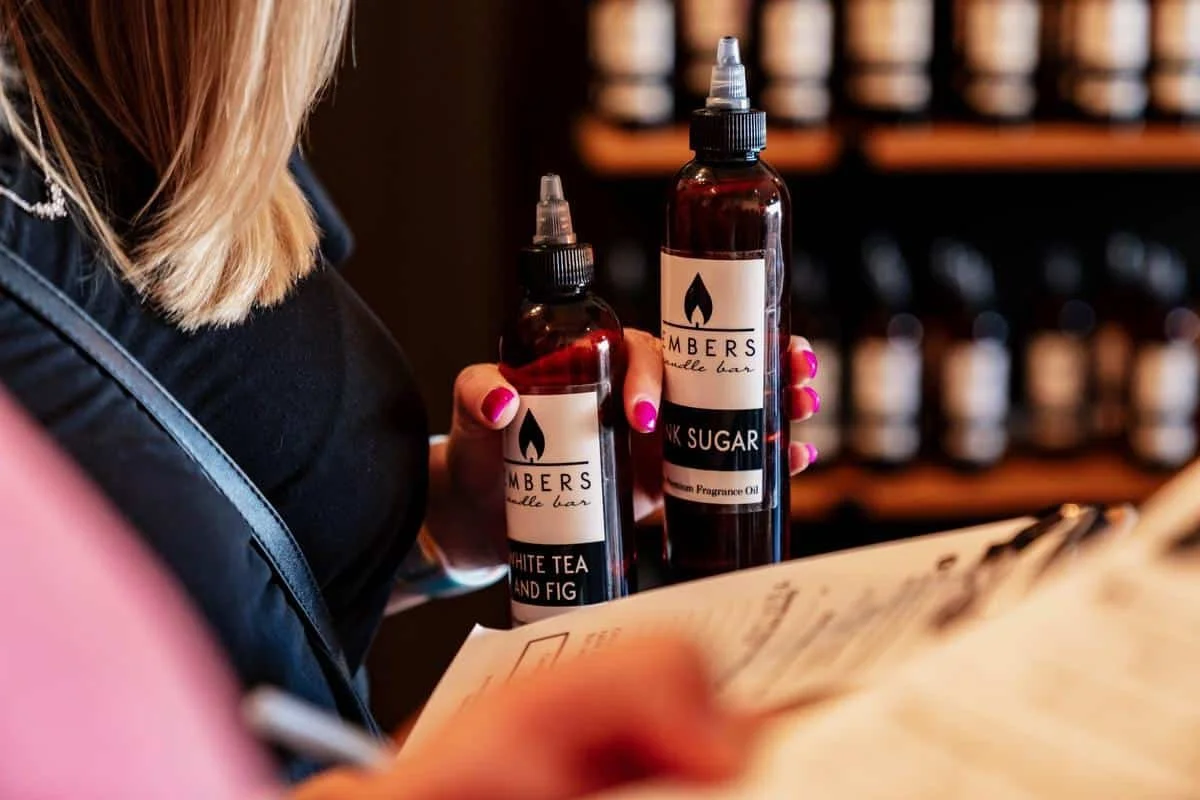
If you’ve ever walked into a candle bar and felt both excited and slightly overwhelmed by the wall of fragrance oils staring back at you, you’re not alone. Blending scents is part art, part science, and a whole lot of fun once you know how to play with it. Whether you’re brand-new to candle making or you’ve already poured a few favorites at Embers Candle Bar, learning how to mix scents like a pro will take your candles to the next level.
The truth is, great fragrances aren’t accidents. They’re built—layer by layer—with intention, balance, and a little creativity. And with a few simple tips, you can start creating blends that smell like they came straight from a luxury candle line.
Today, we’re diving into the essentials of fragrance mixing, the most common scent families, and how to choose combinations that actually work. Think of this as your go-to guide for creating a candle that smells like you—or at least the version of you who has excellent taste in candles.
Why Scent Blending Matters
At its core, fragrance mixing is about crafting a story. A single scent note is nice—but a well-blended candle creates a full experience. It’s layered. Complex. Memorable.
Here’s what blending allows you to do:
Create a balanced, long-lasting candle
Combining top, middle, and base notes helps your fragrance unfold naturally as the candle burns.
Customize your scent to match your personality
Prefer cozy? Fresh? Woodsy? Sweet? Blending lets you tailor every candle to your exact vibe.
Design unique fragrances you won’t find anywhere else
Anyone can buy a pumpkin candle—but with blending, you can create “Pumpkin After Dark,” “Pumpkin in a Cashmere Sweater,” or “Pumpkin That Definitely Pays Rent Early.”
Experiment endlessly
With dozens of fragrance oils available, the creative combinations are nearly unlimited.

Understanding Fragrance Notes (Your Secret to Pro-Level Blending)
If you only remember one thing from this guide, make it this:
Every perfume—and every candle—works because of fragrance notes.
There are three main categories:
1. Top Notes
These are the first scents your nose picks up. They’re bright, light, and evaporate quickly.
Common top notes include:
Citrus (lemon, orange, grapefruit)
Eucalyptus
Mint
Light florals
Herbs like basil or rosemary
Top notes give your candle that first spark of freshness and interest.
2. Middle (Heart) Notes
This is the body of the fragrance—the part that sticks around once the top notes fade.
Middle notes include:
Lavender
Rose
Peony
Marine notes
Spice blends
Fruits
They create personality and roundness.
3. Base Notes
These are deep, warm, grounding scents that anchor your blend.
Think:
Vanilla
Musk
Amber
Sandalwood
Patchouli
Tonka bean
They’re long-lasting and give your candle staying power.
Blends that include all three levels of notes smell smoother, more expensive, and more intentional.
Know Your Scent Families
Before you start mixing, it helps to know the scent families. This is where your creativity meets structure, making blending easier.
Here are the main families and how they behave:
Fresh + Citrus Scents
Bright, clean, energizing.
Lemon, lime, grapefruit
Sea salt, ozone
Rain, fresh linen
Great for: energizing blends, kitchen scents, spa vibes.
Floral Scents
Soft, romantic, timeless.
Rose, peony, jasmine
Magnolia, lilac
Great for: classic candle blends, spring scents.
Herbal + Green Scents
Calming, earthy, refreshing.
Eucalyptus
Sage
Mint
Green tea
Great for: wellness blends, nature-inspired candles.
Fruity Scents
Fun, juicy, sweet.
Apple, plum, peach
Coconut, berries
Great for: playful or tropical blends.
Warm + Spicy Scents
Cozy, rich, and comforting.
Cinnamon
Clove
Nutmeg
Cardamom
Great for: fall scents, holiday blends, cozy candles.
Woodsy + Earthy Scents
Deep, grounding, masculine-toned.
Cedarwood
Sandalwood
Amber
Patchouli
Great for: winter scents, luxury-style candles.
Sweet + Gourmand Scents
Dessert-like, nostalgic, warm.
Vanilla
Caramel
Brown sugar
Maple
Great for: indulgent blends, bakery-style candles.
How to Blend Candle Scents Like a Pro
Here’s where the fun begins. Professional perfumers follow a simple rule: contrast + complement.
In other words, your scents should go together and elevate each other.
Here’s how to do that:
1. Start with 2–3 oils (not 6 or 7)
More isn’t always better.
Most high-end candles use two or three well-blended fragrance oils.
Too many scents muddle the profile and confuse the nose.
2. Choose one “lead” scent
Think of this as the star of your candle.
Everything else should enhance or support it, not compete with it.
Example:
Lead: Vanilla
Support: Sandalwood + Amber
Simple. Elegant. Balanced.
3. Follow the “60/30/10 Rule”
This blending rule helps you create balance:
60% main scent
30% supporting scent
10% accent note
For example:
60% lavender
30% sage
10% cedarwood
It’s harmonious, grounded, and layered. And it burns beautifully.
4. Mix within families first, then branch out
Some easy, foolproof blends include:
Citrus + floral
Woodsy + vanilla
Herbal + citrus
Fruity + coconut
Amber + musk
Once you get the hang of it, venture into more creative blends like:
Leather + vanilla
Tobacco + cherry
Pumpkin + cardamom
Sea salt + driftwood + lime
Don’t be afraid to experiment. Candle making rewards curiosity.
5. Smell as you go
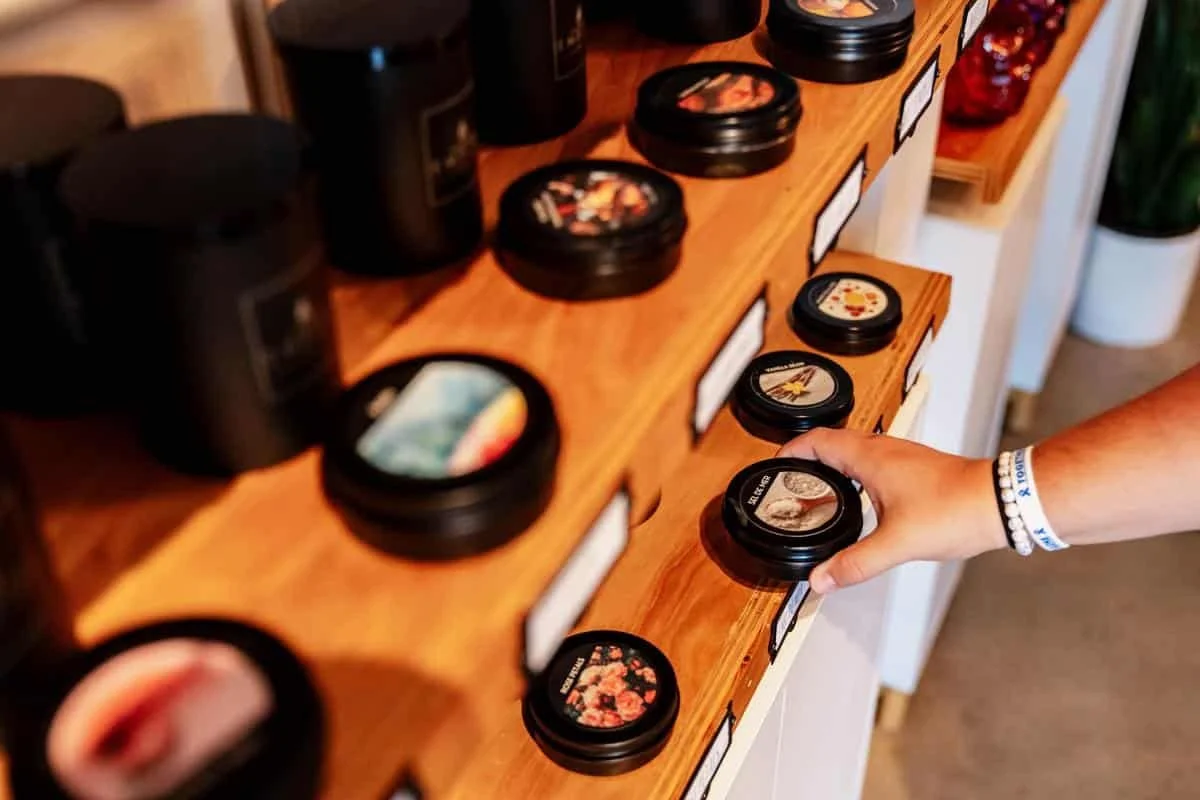
Let your nose guide you. We’re all wired differently, and what smells “balanced” to one person might feel too strong to someone else. At Embers Candle Bar, we encourage guests to take their time during scent exploration—there’s no rush. Smell, jot notes, revisit favorites, and find your perfect combination.
6. Give your blend a name
This part is pure joy. Once your fragrances feel just right, naming your candle can add personality, humor, or elegance. Some of our favorite customer-created candle names:
“Weekend Reset”
“Sweater Weathered & Ready”
“Barefoot on a Tuesday”
“The Main Character”
“No Thoughts, Just Vibes”
Naming your candle makes it feel more personal—and a little more magical.
Beginner-Friendly Scent Recipes You Can Try
Here are a few popular scent pairings that guests at Embers Candle Bar love:
Relaxing Spa Blend
Lavender
Eucalyptus
White tea
Cozy Cabin Blend
Sandalwood
Amber
Vanilla
Beach Day Blend
Coconut
Sea salt
Lime
Fall Favorite Blend
Pumpkin
Brown sugar
Cinnamon
Modern Masculine Blend
Cedarwood
Bergamot
Tobacco leaf
Want to Learn Scents Hands-On? Visit Embers Candle Bar
Reading about scent blending is great, but there’s nothing like experiencing it in person.
At Embers Candle Bar, you can:
Explore dozens of fragrance oils
Get personalized guidance from our scent experts
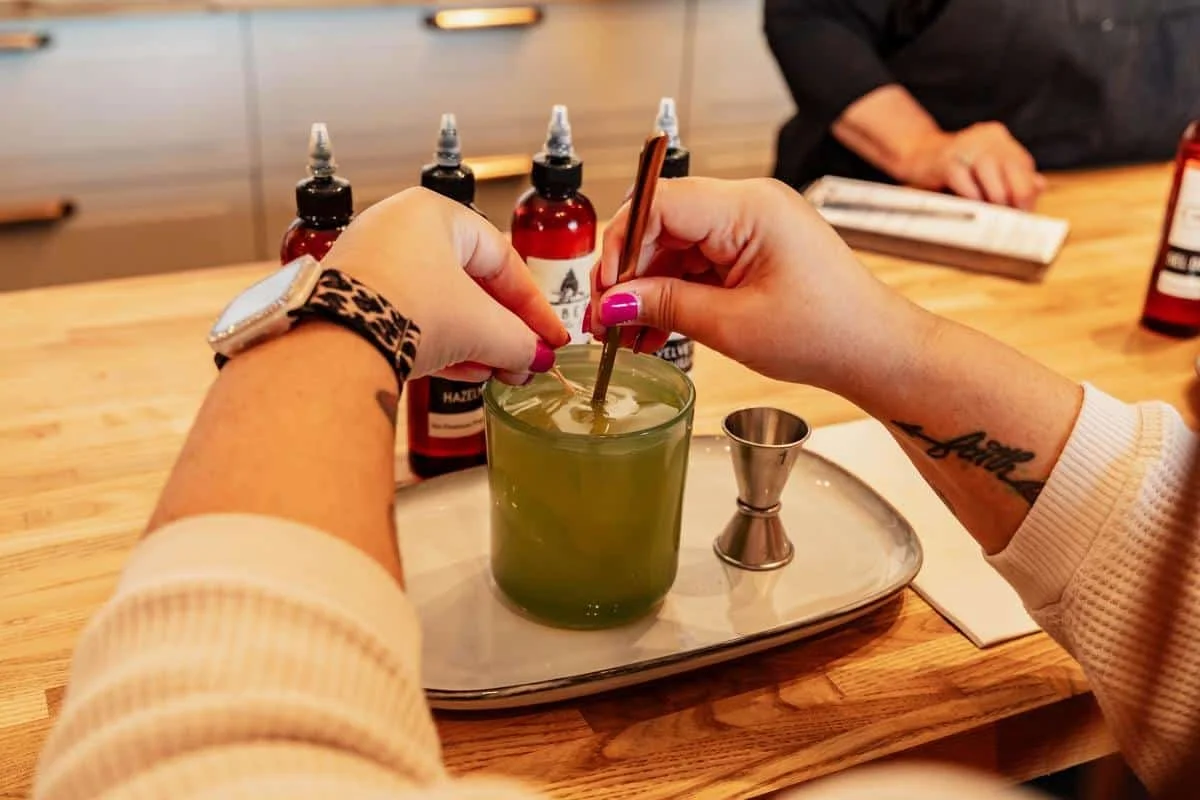
Try out combinations in real time
Craft a candle that matches your mood, personality, or home aesthetic
Enjoy a relaxing experience with friends, family, or your team
Whether you come solo for a peaceful afternoon or book a group session for a celebration, you’ll walk away with a candle that’s uniquely you.
Your Signature Scent Is Waiting
Blending fragrances is a skill anyone can learn—it just takes curiosity, a little guidance, and the freedom to experiment. And that’s exactly what we’re here for. Your perfect scent blend? It’s out there. Let’s find it together. Come pour with us at Embers Candle Bar. Your next favorite candle is waiting.